Inspections That Save You Money: A Landlord's Checklist
9 July 2026 · 3 min read

Inspections are where most landlord headaches start—or where you prevent them. A solid move-in and move-out routine takes a few hours but can save you thousands in disputed repairs and unexpected damage claims. Here's how to do it right.
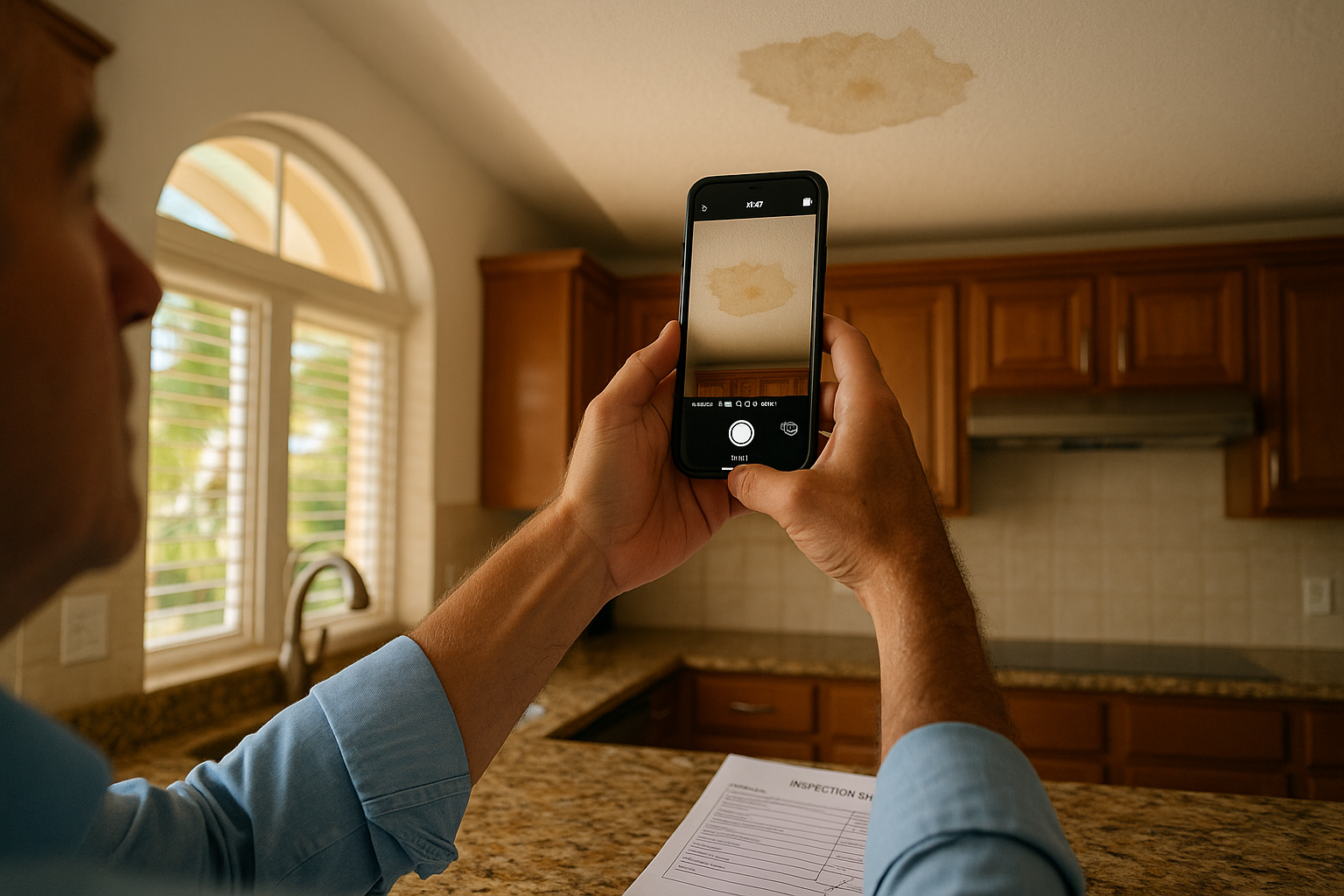
Why Inspections Matter (Beyond the Obvious)
You probably already know inspections protect your deposit. But they're about more than that. A thorough, documented inspection:
- Creates a paper trail that holds up if disputes land at your door
- Sets clear expectations with tenants from day one
- Gives you proof of what was already worn when they moved in
- Helps you understand what normal wear actually looks like over a tenancy
Without it, a tenant can claim they inherited that kitchen cabinet damage, and you're the one trying to prove otherwise.
The Move-In Inspection: Set It Up Right
Schedule the inspection before keys change hands. Ideally, both you and the tenant walk through together—this prevents "I never saw that" later.
What to document:
- Every room's walls, flooring, and ceilings (note discolouration, scratches, holes)
- Appliances and their condition (dents, stains, functionality)
- Light fixtures and ceiling fans (working, cracked, missing)
- Doors, locks, and hinges (smooth operation, damage)
- Plumbing fixtures (taps, showers, toilets—test them if you can)
- Windows and screens (cracks, frame condition, operation)
- Outdoor spaces (patio, balcony, yard—if included)
How to document:
- Take photos and video of every area in daylight
- Note the date and time on each photo
- Write a brief description for significant issues ("small water stain on ceiling, kitchen", not just "damage")
- Have the tenant sign and date the inspection report
- Give them a copy immediately
Don't assume everything's fine. If a radiator is already rusted or a tap drips, write it down. It sounds obvious, but most landlords skip this step on things they think are minor.
Normal Wear vs. Damage: Where Lines Get Blurry
This is where disputes live. Normal wear happens—paint fades, doors get sticky, carpet gets foot-traffic marks. Damage is when a tenant causes it, or fails to prevent it through reasonable care.
Your move-in photos are your proof of what was already there. Without them, any wall mark at move-out becomes your word against theirs.
The Move-Out Inspection: Timing and Thoroughness
Schedule a move-out inspection within a reasonable timeframe after the tenant leaves (check local custom—a few days is typical). The property should be empty and clean, so you can see what you're actually dealing with.
Walk through with the same level of detail as move-in. Use the same checklist. Compare the two sets of photos side by side.
Key differences to note:
- New damage that wasn't there before
- Lack of cleaning (which may be a maintenance issue, depending on your lease)
- Missing items (light bulbs, blinds, kitchen fixtures)
- Cleanliness of appliances and hard-to-reach areas
If there's significant damage or the property's in poor shape, you might want a professional cleaner or contractor to assess costs. Get written quotes—don't guess at repair bills.
Handling the Deposit: Show Your Work
If you're deducting from the deposit, provide the tenant with:
- Photos showing the damage or issue
- A clear breakdown of what you're deducting and why
- Itemized repair or cleaning costs (with quotes if relevant)
- An explanation of what counts as damage versus normal wear
Transparency here prevents disputes and keeps your reputation solid. Tenants who see you're fair are more likely to cooperate on other issues and less likely to escalate complaints.
Making It Easier Going Forward
Use a consistent checklist for every inspection. You'll spot patterns in what breaks, what tenants struggle with, and what conditions to flag early. Over time, you'll get faster at it while missing less.
CayRentManager's inspection tools let you document properties, upload photos, and store everything in one place. When disputes arise—and they sometimes do—you've got everything organised and timestamped. No scrambling through old emails or trying to remember dates.
A good inspection routine isn't about being tough on tenants. It's about being fair to yourself and clear with everyone involved.